
A New Generation of Leaders: The Future of America Depends on Young Voices
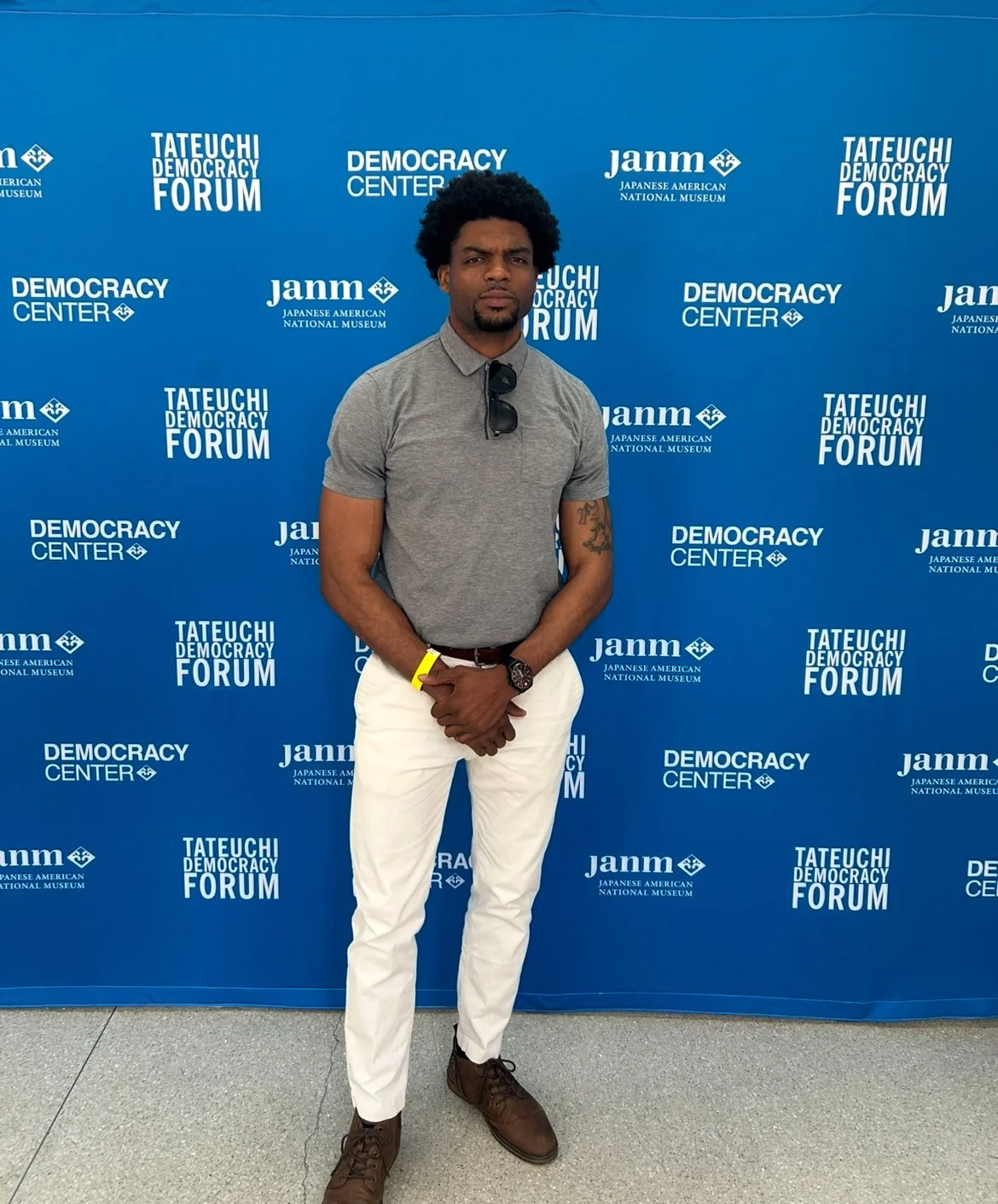
Omar Cook Attends Field Hearing in Los Angeles on Immigration Raids
Politics may not be the most exciting subject for many young people. Between school, careers, relationships, social media, entertainment, and simply figuring out life, learning about city council meetings or local elections may not seem like a priority. But some of the decisions being made in government today will shape the world young people inherit tomorrow. That is exactly why the voices of younger generations are more important than ever.
Getting politically involved does not have to begin with running for Congress, joining a political party, or becoming an activist. It can start right in your own neighborhood. Young people should understand how their local government works, know who represents them, and become familiar with the challenges facing their communities. Who is your mayor? Who represents you on your city council? What decisions are being made about housing, public safety, transportation, education, jobs, small businesses, parks, and development? These may sound like ordinary local issues, but they directly affect the quality of everyday life.
Local government is also one of the places where an individual voice can have a very real impact. Attending a city council meeting, speaking during public comment, contacting an elected representative, volunteering in the community, joining a local board or commission, supporting a campaign, registering people to vote, or simply educating others about an issue can introduce young people to civic participation in a tangible way. Political engagement is much bigger than showing up every four years for a presidential election.
I understand the lack of interest because there was a point in my own life when politics wasn't something I was particularly involved in or passionate about. My perspective began to change when I noticed how few people who looked like me—a young Black man—were participating in many of these political and civic spaces. I began to realize that if people from different generations and backgrounds aren't present when decisions are being discussed, their experiences and perspectives can easily be missing from the conversation.
That realization changed the way I looked at politics.
I began to understand that our voices carry more power than we sometimes recognize. Young people influence culture, music, technology, fashion, business, social movements, and the way information travels around the world. That same influence can extend into government and public leadership. The generation capable of changing what becomes popular can also help change what becomes possible.
Voting is an important part of that power, but civic engagement cannot begin and end at the ballot box. Young people should be learning about policies, asking questions, researching candidates, communicating with representatives, attending community meetings, volunteering, organizing, and developing their own ideas for solving problems. They should feel empowered to challenge ineffective systems while also being willing to participate in the difficult work of improving them.
That education matters because political decisions are rarely abstract. Housing affordability affects whether young adults can afford to live independently. Education policy affects students and future workers. Economic policy affects employment and entrepreneurship. Transportation decisions affect how people move through their communities. Public safety policies affect neighborhoods. Environmental decisions can have consequences that last for generations.
Young people deserve a meaningful voice in those conversations because they will live with many of their consequences the longest.
This is also why America needs to continue developing younger generations of leaders. Experience and wisdom from older generations remain valuable, but a healthy society benefits from leadership across generations. Younger leaders bring different experiences, emerging ideas, technological understanding, cultural perspectives, and firsthand knowledge of challenges affecting their peers. The goal should not be to replace one generation with another, but to make sure the future is being shaped with meaningful participation from the people who will inherit it.
We should encourage young people to see leadership as something available to them now—not something they have to wait decades to pursue. A teenager can organize around an issue. A college student can attend a city council meeting. A young professional can serve on a neighborhood council or local commission. A young entrepreneur can advocate for better economic policy. And eventually, some of those same people can become school board members, councilmembers, mayors, legislators, governors, members of Congress, and national leaders.
Representation matters, but participation has to come before representation. If we want more young people from different racial, economic, cultural, and social backgrounds sitting at the tables where decisions are made, we must first encourage them to enter the room.
The future of this country cannot simply be something young people inherit. It should be something they have a hand in creating.
Learn about your local government. Know who represents you. Understand what's happening in your community. Register to vote. Ask questions. Speak up. Volunteer. Organize. And when you believe you're capable of leading, don't be afraid to step forward.
The youth is the future—but the youth is also now.