
Kamala Harris and 2028: Why a Potential Presidential Campaign Is Already Generating Attention
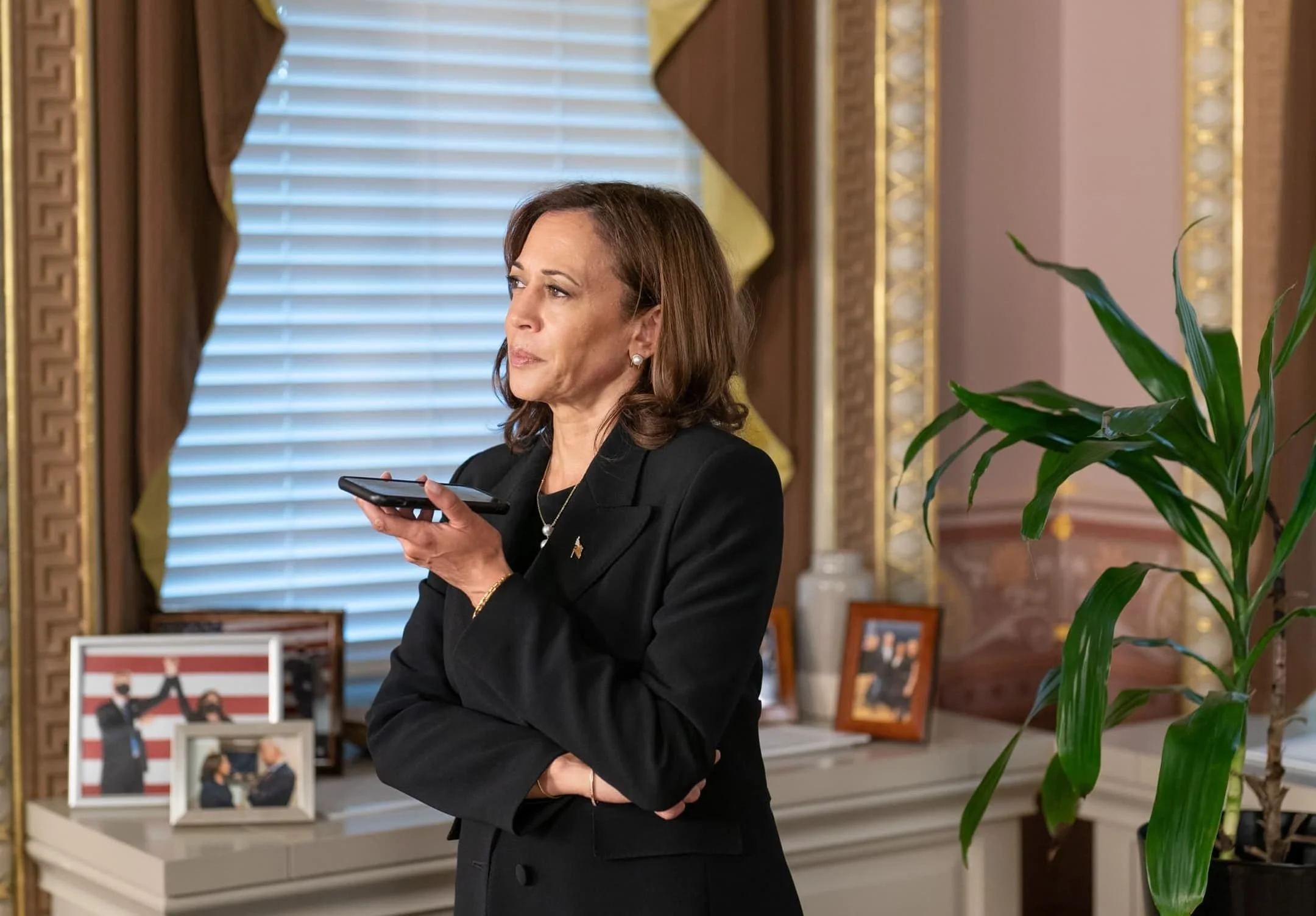
Former Vice President Kamala Harris
Photo Credit: The Office of Kamala D. Harris
Although former Vice President Kamala Harris has not announced whether she will seek the Democratic nomination for president in 2028, speculation continues to grow as she increases her public profile and remains active in national political conversations. Harris has focused much of her recent work on voting rights, artificial intelligence, women's leadership, and supporting Democratic candidates ahead of the 2026 midterm elections, while leaving the door open to another White House campaign.
If Harris ultimately enters the race, she would immediately become one of the most recognizable figures in the Democratic field. Early polling has consistently placed her among the leading potential contenders, reflecting the national profile she built as a U.S. senator, vice president, and the Democratic nominee in the 2024 presidential election.
Her 2024 campaign was unlike most modern presidential campaigns. After President Joe Biden ended his reelection bid, Harris became the Democratic nominee with only a limited amount of time to assemble a national campaign, introduce a revised platform, and compete in a shortened general election. Political observers continue to debate how that compressed timeline affected the outcome and whether a traditional campaign cycle could have produced different results.
Since leaving office, Harris has remained engaged in public life rather than stepping away from politics. She has campaigned for Democratic candidates, worked with civil rights leaders on voting rights issues, explored the societal impact of artificial intelligence, and considered initiatives focused on women's leadership and civic participation. Those activities have fueled continued speculation that another presidential campaign remains a possibility.
A Harris candidacy would also carry historic significance. If elected, she would become the first woman and the first Black woman to serve as President of the United States. Regardless of political affiliation, such a milestone would represent a landmark moment in American history and reflect the nation's continuing evolution in political representation.
The broader political environment may also shape the conversation leading into 2028. As Americans debate issues ranging from immigration and the economy to foreign policy, public safety, and the role of government, many voters are expected to evaluate which leadership style best reflects their priorities. Harris' experience in national office and the lessons learned from her previous presidential campaign would likely become central topics in that discussion, while voters also weigh other Democratic contenders who may enter the race.
For now, Harris continues to keep her options open. Whether she ultimately decides to run or pursue public service through other avenues, her next move is expected to remain one of the most closely watched stories in American politics.